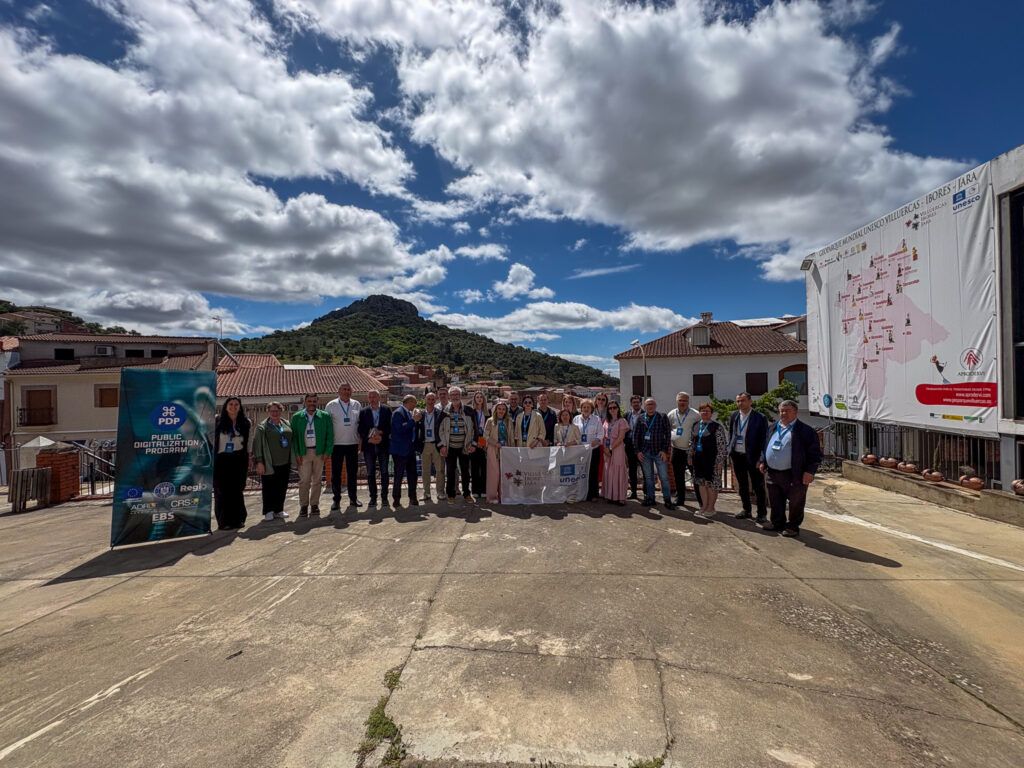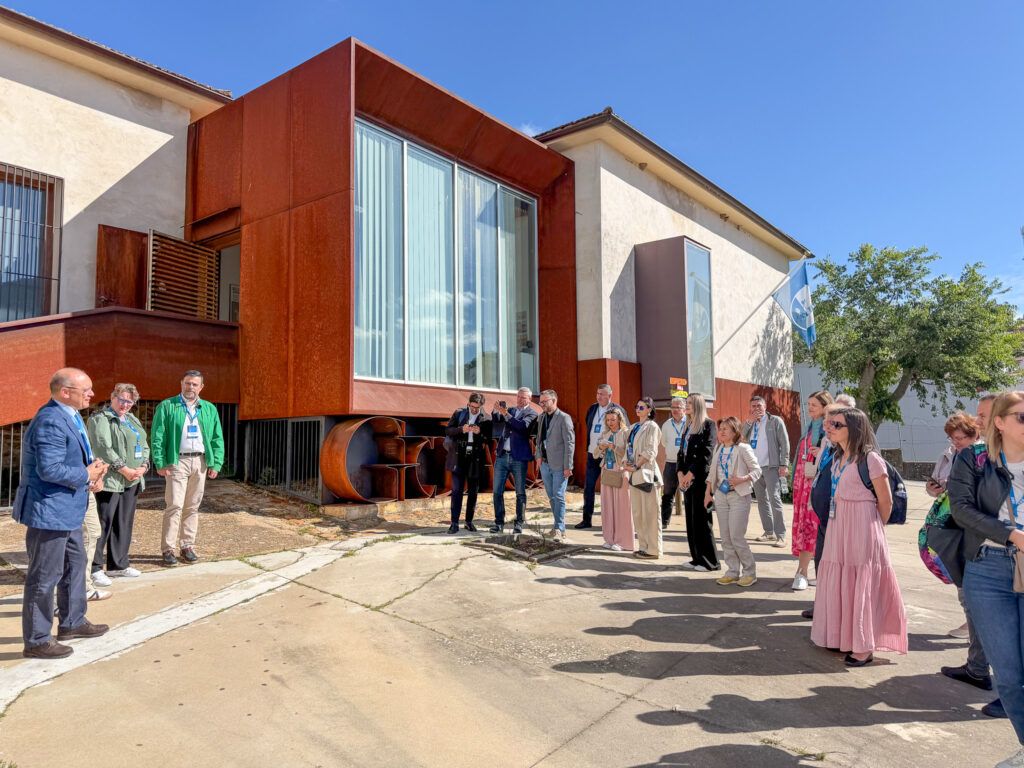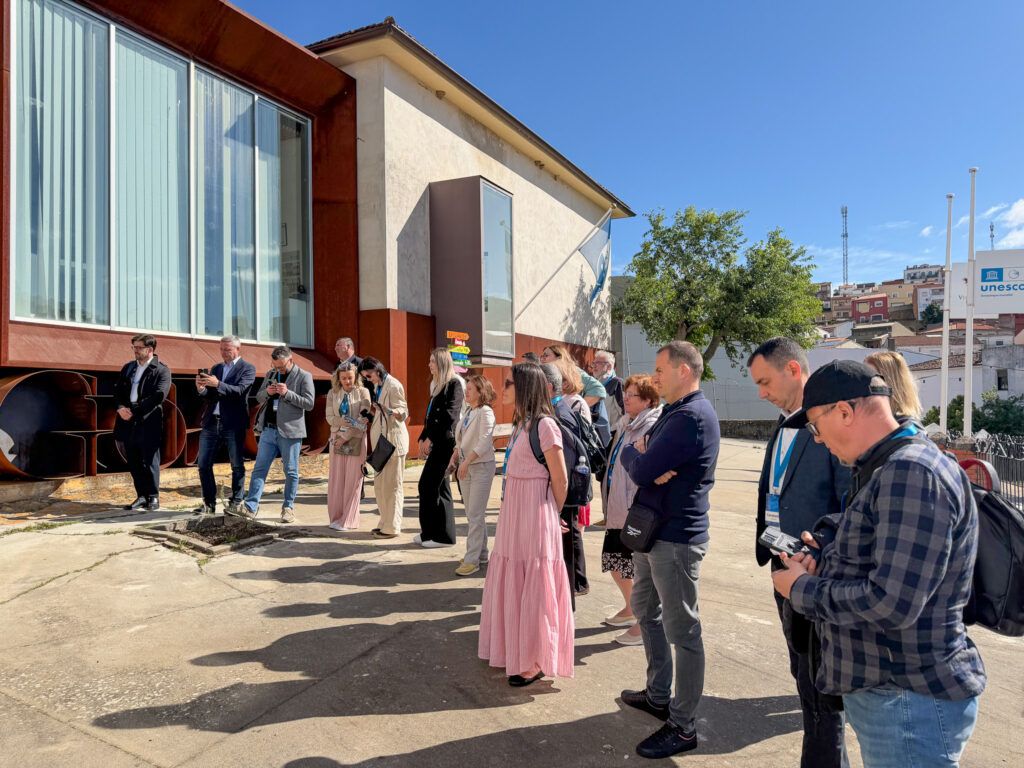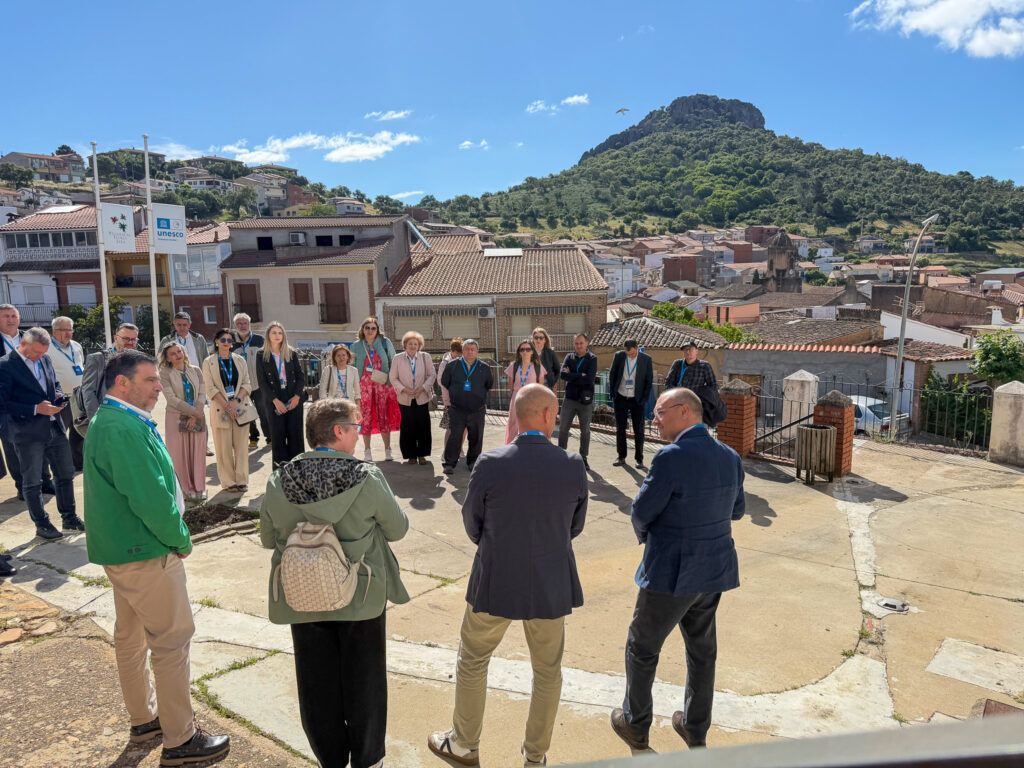
The final day of the PDP edition. To bring the programme to a fitting close, we visited APRODERVI, located in the Villuercas-Ibores-Jara region, in Cañamero. There, Javier López Caballero, the association’s manager, spoke to us about what geoparks are and how one of their main goals is to maintain population in rural towns, combat depopulation, and attract tourism.
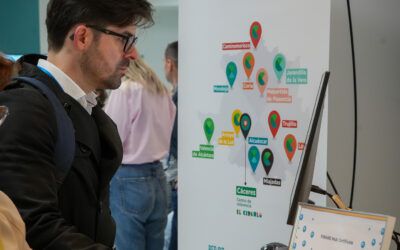
Upon entering the building, we accessed the exhibition room, where we were told that, for a more enriching experience, it is best to visit with a guide who can provide explanations, complemented by the information panels throughout the exhibition.
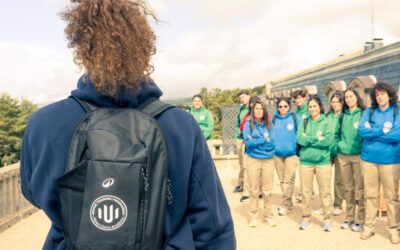
One of the features of the geopark is the promotion of educational projects, which can be seen in the carnival, where children dress up as fossils, highlighting the importance of introducing geology to young students.
López Caballero explained to the directors that this geopark is recognised by UNESCO and that it is the only programme that must be revalidated every four years in order to maintain its status. During this period, they must demonstrate progress in education, culture, the environment, or any of its other areas.
There are currently more than 240 geoparks worldwide, most of them located in Western Europe and Eastern Asia, although they are also increasing in Latin America and Africa.
In Europe, there are 118 geoparks across 28 countries. In addition, the APRODERVI manager noted that Romania has two UNESCO-recognised geoparks: the UNESCO Global Geopark Țara Hațegului (Hațeg Country) and the UNESCO Global Geopark Ținutul Buzăului (Buzău Land). Meanwhile, the Oltenia de sub Munte Geopark is currently a candidate to become the third.
As the final point of his presentation, López Caballero stated that the municipality is the most neglected level of administration in the country, supported only by provincial councils.
Felipe Sánchez Barba, a European projects manager, presented the project Smart Rural Living: Living Rural Areas, Smart Villages and the results achieved. Given the significant challenge involved—since rural areas have an ageing population and require digital literacy—the group implemented training programmes to enable citizens to carry out administrative procedures electronically.
Following this project, five key priorities for the future were established: a new rural narrative, innovation and connectivity, moving from Smart Villages to Smart Territories, support for project promoters, and a collaborative LAG ecosystem.
Finally, they expressed interest in future collaboration with Romanian administrations.
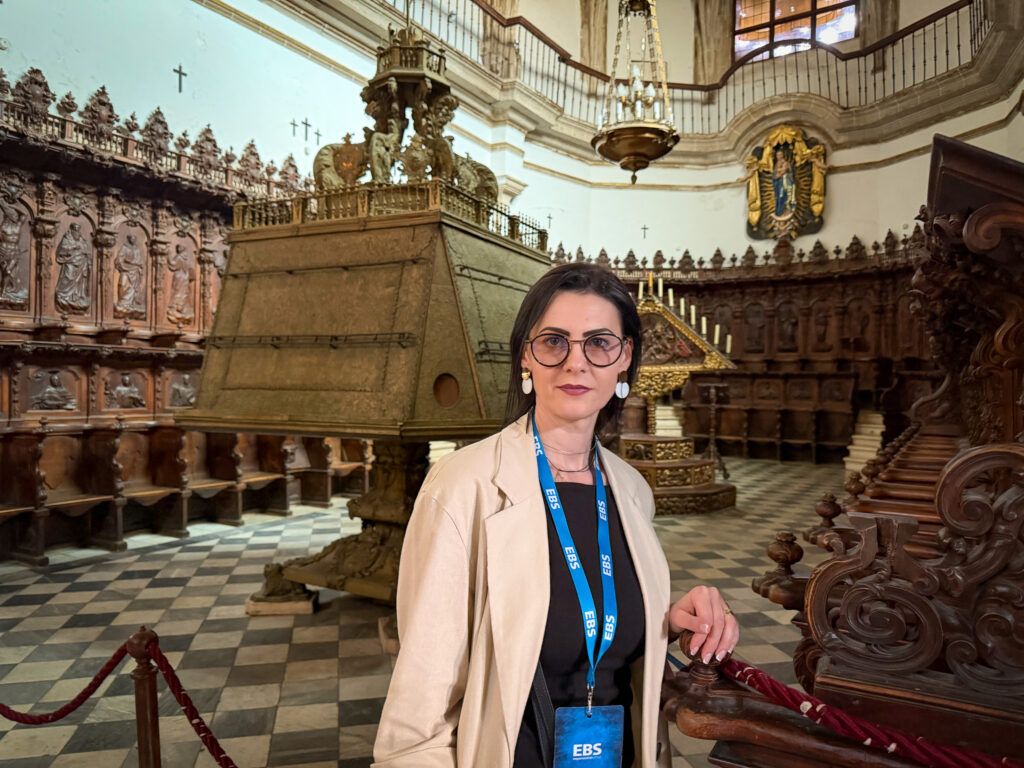
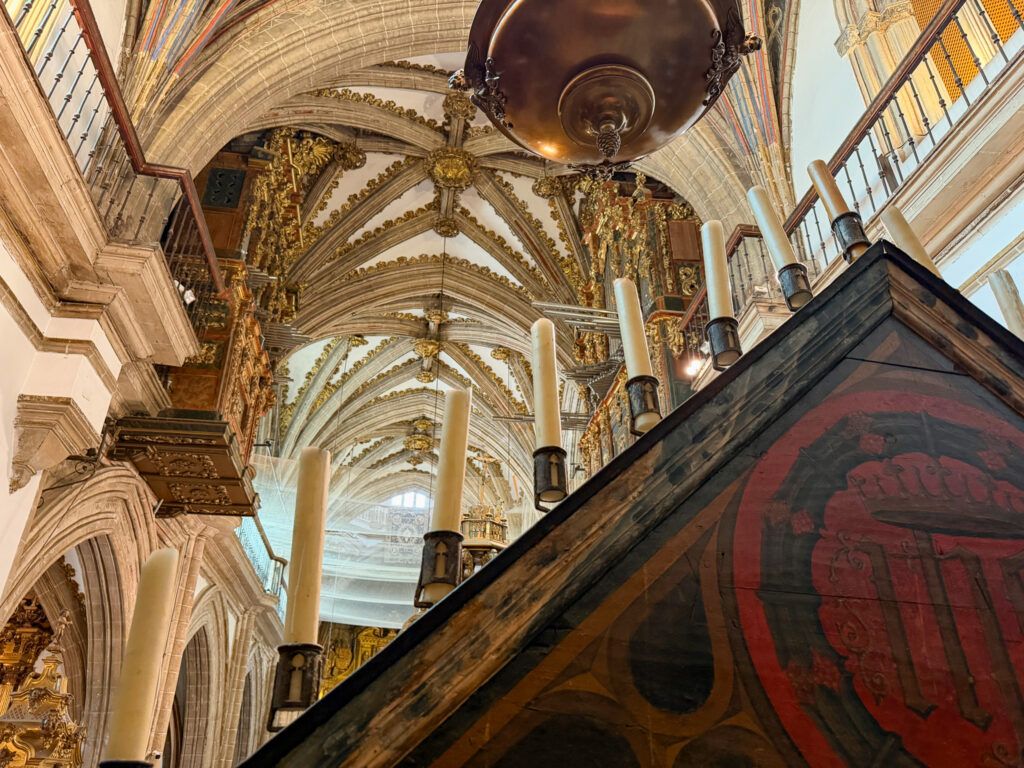
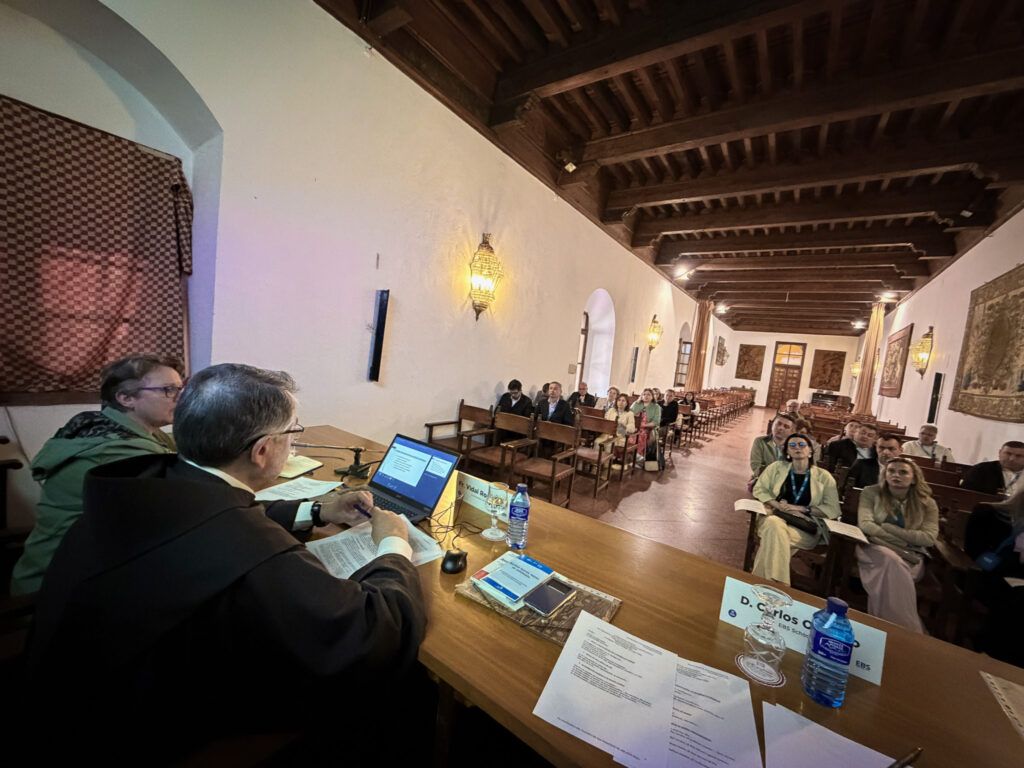
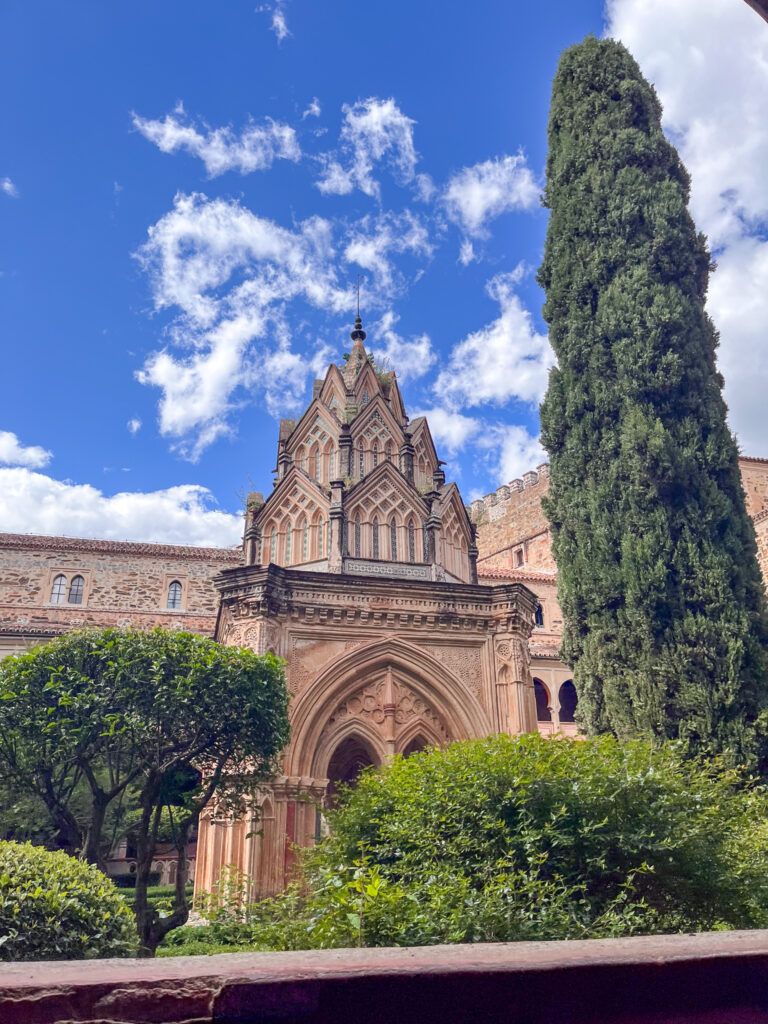
The PDP journey concluded at the Monastery of Guadalupe, one of the most important monastic complexes in Spain. There, we were welcomed by Fray Vidal Rodríguez López, who officially closed this programme of training sessions. The Franciscan spoke about the challenges and opportunities of artificial intelligence, as highlighted by Pope Leo XIV in his message for World Communications Day, where he emphasised the importance of not replacing voices and faces, as well as the risks this entails.
The Church maintains that artificial intelligence should serve to unite and assist, not to divide or manipulate.
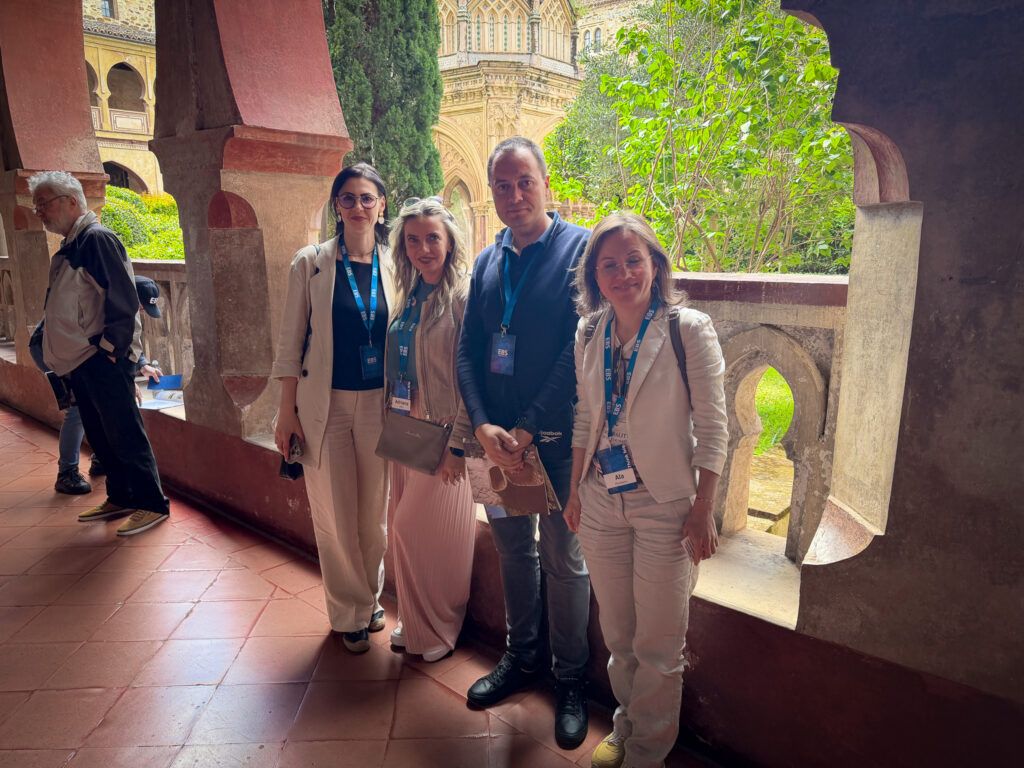
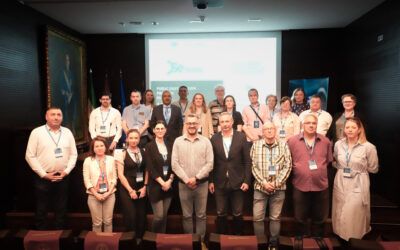
At the end, the diploma ceremony took place for the 20 participants of this 2026 4th edition of the PDP.
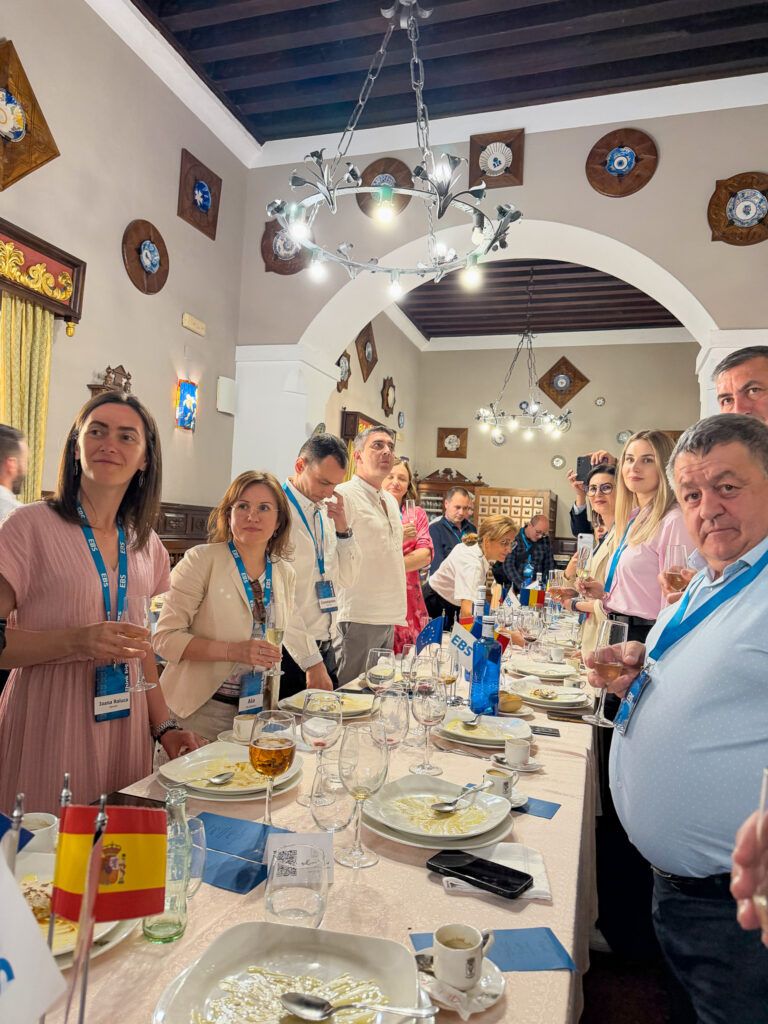
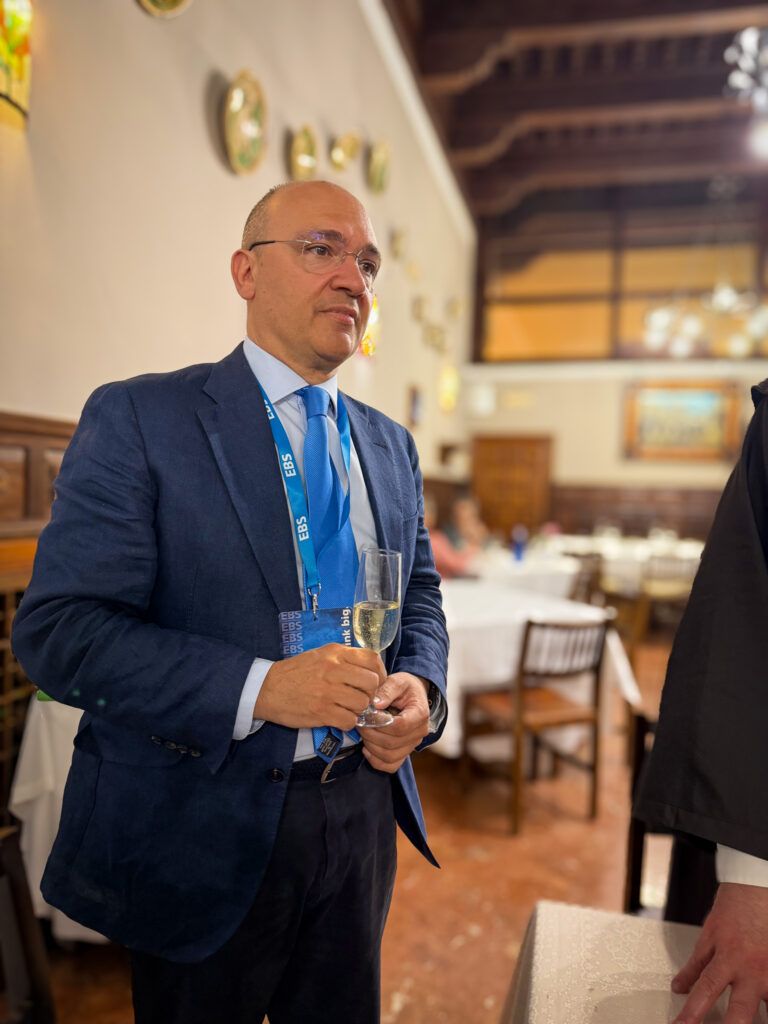
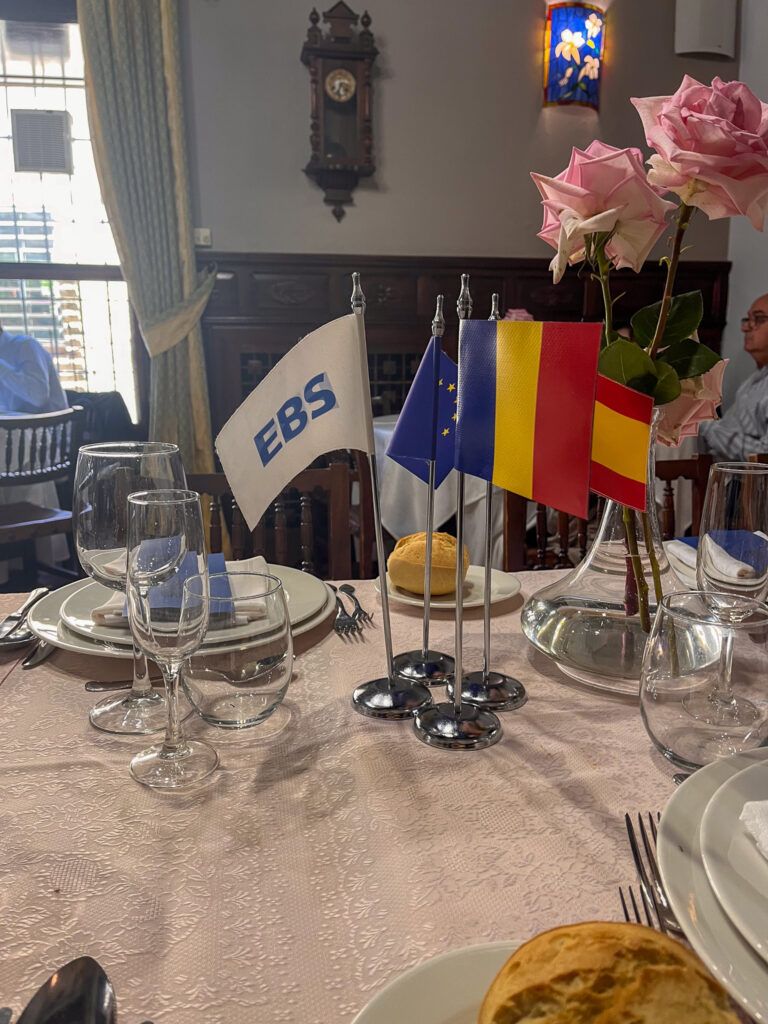
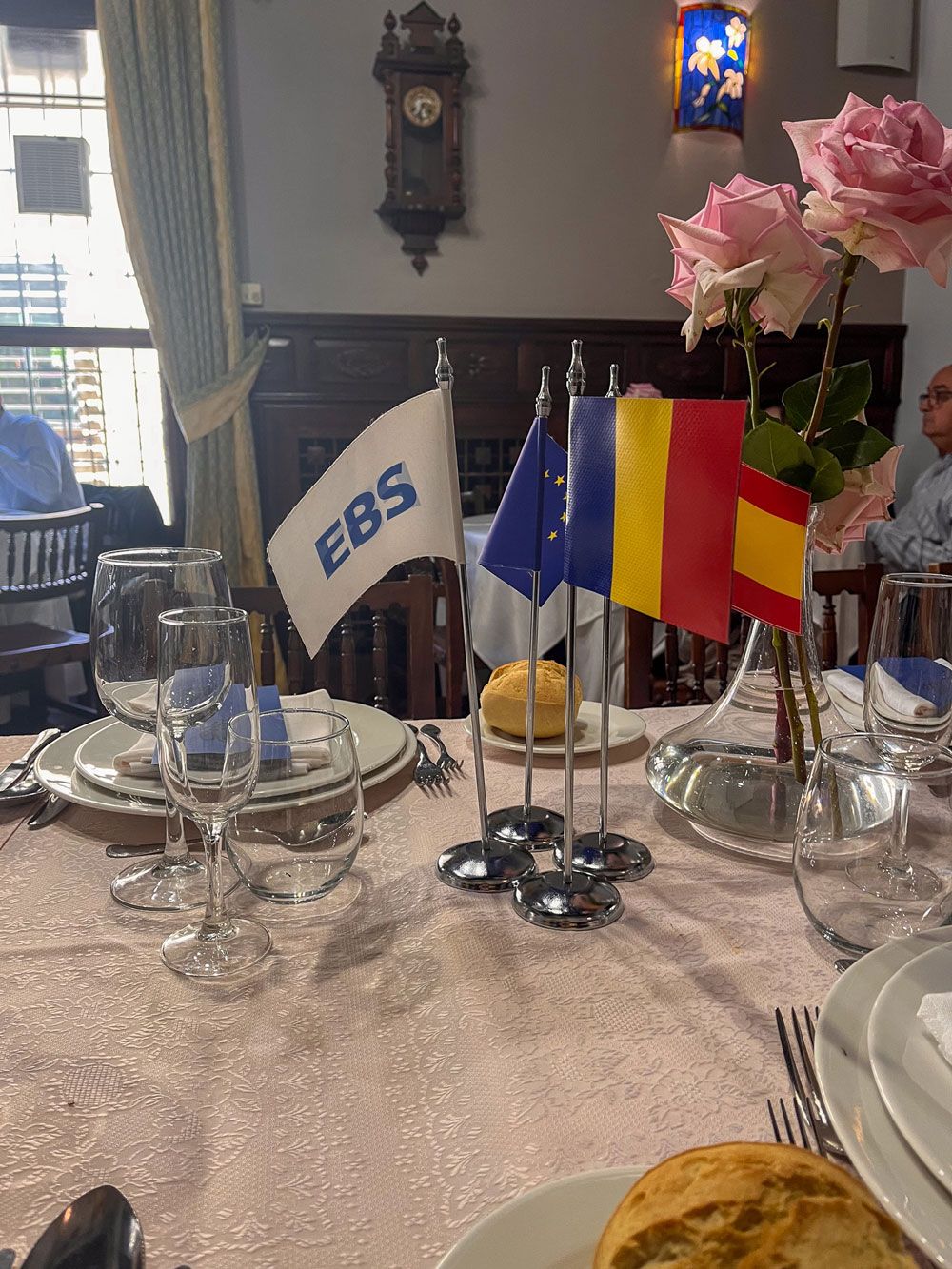
To conclude this experience, we enjoyed a banquet at the Monastery’s inn, where we toasted to meeting again in the near future.
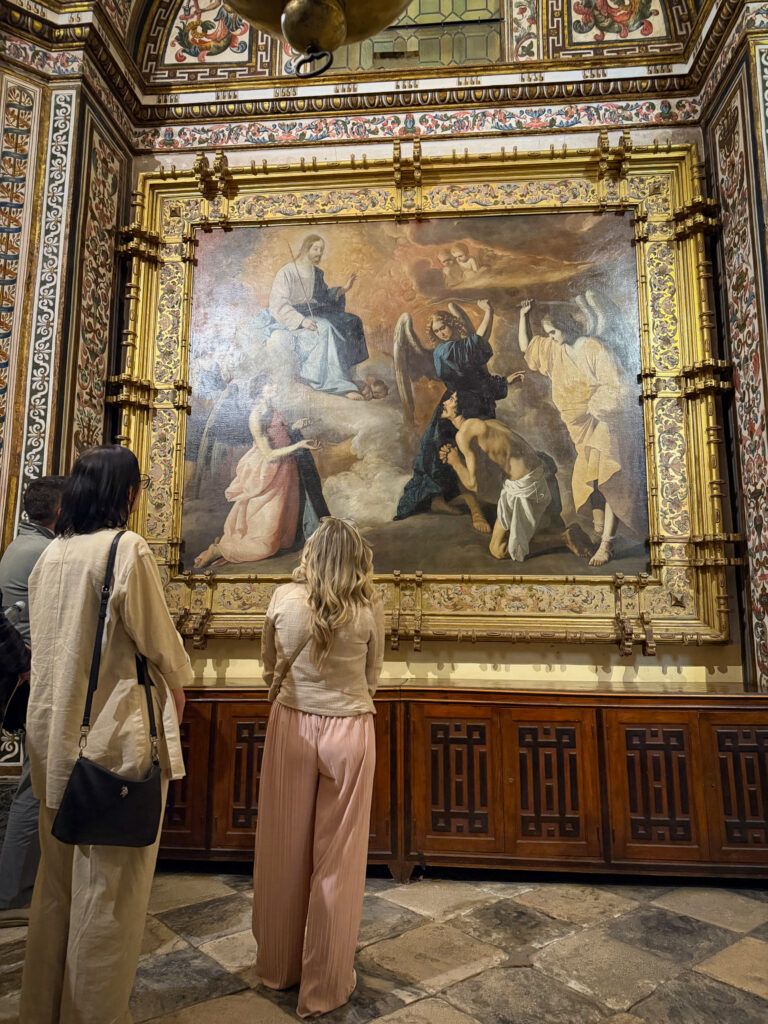
The day ended with an extensive tour of all the corners of the monastery.